
Our Research Platforms
IRC3 benefits from the contribution of these platforms to advance research and provides innovative research opportunities to the various laboratories.
- The Organoid Platform
-
Organoids are three-dimensional structures derived from stem cells that are capable of self-organization and faithfully reproducing key features of human organs on a miniature scale.
They represent innovative biological models and are among the most advanced in vitro systems for studying the pathophysiological mechanisms of diseases, evaluating drug efficacy and toxicity, and significantly reducing the need for animal models.
The development of the Organoid Platform addresses a shared need among many research laboratories in the Clermont-Ferrand area, spanning fundamental, translational, and clinical research.
Established in 2024 with the support of CIR3 and Clermont Auvergne Métropole (CAM), the platform has enabled the pooling of expertise, protocols, and equipment.
It serves as a strategic and collaborative research infrastructure, fostering interdisciplinary projects and strengthening academic and industrial partnerships.
Following one year of development and installation, the CIR3/UCA Organoid Platform has been fully operational since September 2025. It is located on the first floor of the CRBC building.
The platform is dedicated to the development and optimization of protocols and research models that provide alternatives to animal experimentation.
Its mission is to advise, train, and support research teams from Clermont-Ferrand laboratories affiliated with CIR3 in the design and implementation of organoid-based research projects.
Current projects
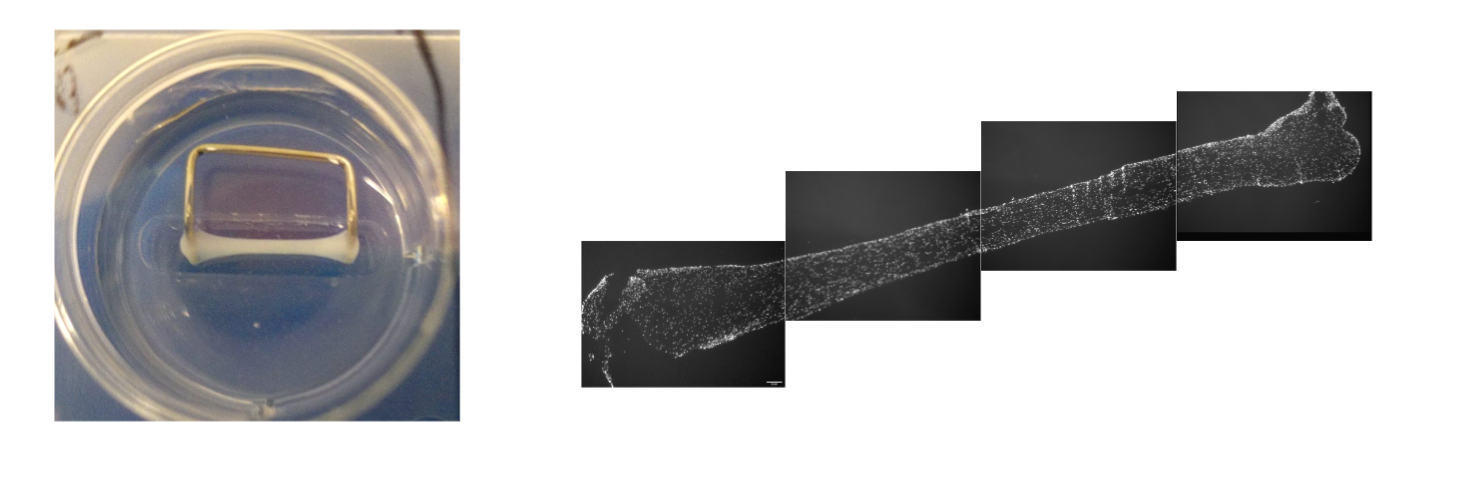
Development of three-dimensional skeletal muscle fibers using an in-house support system made of silicone and metal anchors.
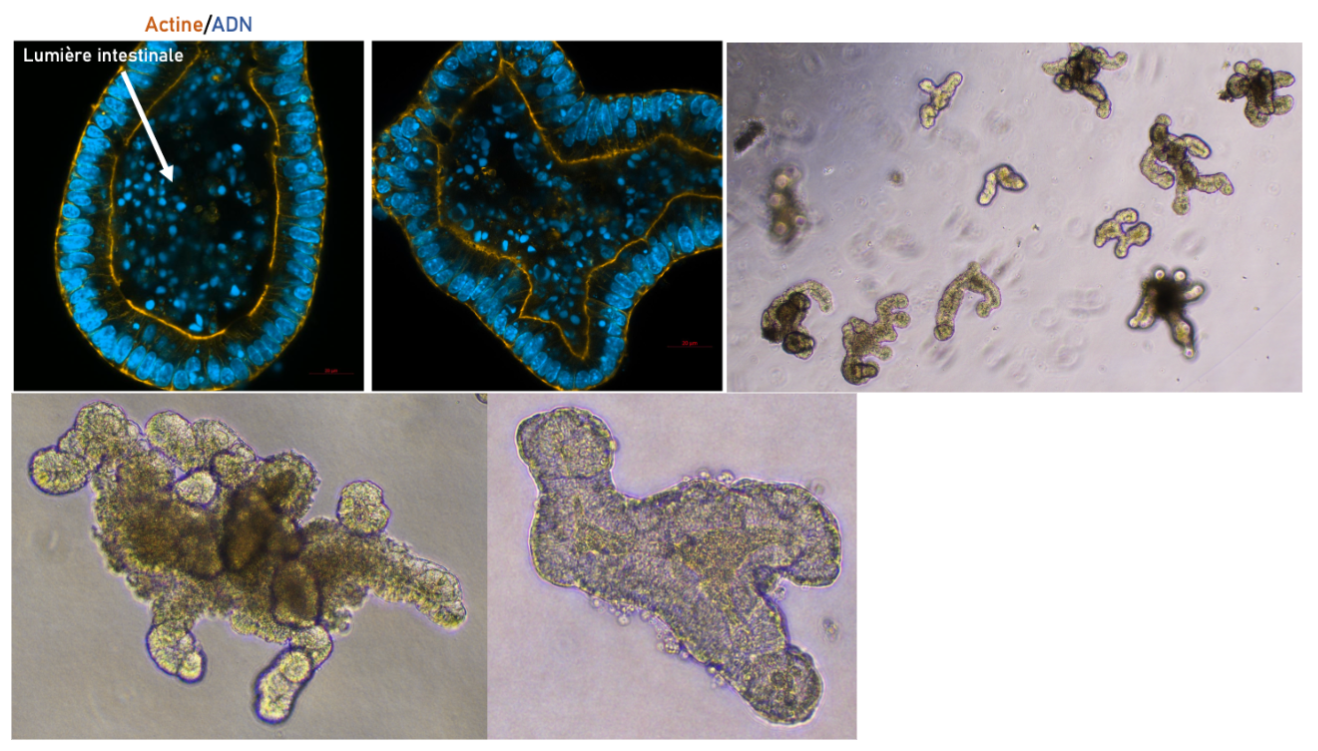
• Mouse intestinal organoids
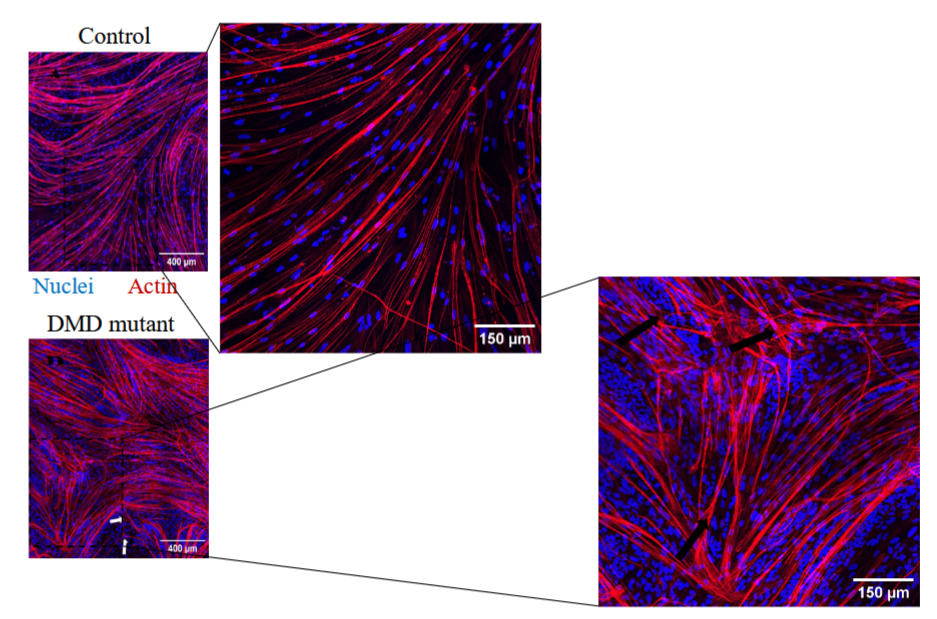
•Myotubes derived from patients with muscular dystrophy and healthy donors.
Contact :
Platerform Organoïdes :AUBEL Pauline - Research Engineer :
pauline.aubel@uca.fr
Bâtiment CRBC, 1ème étage
Faculté de Médecine
28 Place Henri Dunant
63001 Clermont-Ferrand Cedex